
FAQs: Bridge Housing and Changes to the Green Zones effective April 1, 2026
- The Province assumed responsibility for the oversight and operational costs starting April 1, 2026
- All existing transitional housing in the City’s Green Zones will remain open and operated by Neighbourly Homes under the existing agreement
- The City assigned existing service agreements and license portions of City property to the Province.
- Residents will not be displaced
- The same housing approach and supports will continue
- 14 additional private micro‑suites, including three fully accessible units.
- Shared common spaces (laundry, lounge)
- A dedicated staff and support building
- 24/7 wrap‑around supports on site
- Individual private units (not shared dorms)
- Full‑time staffing
- Clear rules and expectations
- Active case management
- A focus on stability, safety, and transition to permanent housing
- Sites are fully staffed 24/7 with clear operational standards for residents
- Residents are matched to appropriate supports
- Provincial oversight will be retained through agreements
- Action 6: Supported Unhoused Sites (Somerset Acres) Pilot sites providing supported structures for up to 25 individuals per location.
- Action 10: Unsheltered Sites (Egbert Street and Thorne Avenue Neighbourly Homes) Identification and establishment of Green Zones where supported transitional housing is located.
- Action 24: Supportive Housing Options (Thorne Avenue Extension – Bridge Housing) Expansion of supportive housing through the new Bridge Housing site, offering greater independence and a pathway toward permanent housing.
What is changing in the City’s Housing for All program?
On April 1, 2026, the Province of New Brunswick assumed responsibility for the oversight and operational costs of all three sites located within the City’s Green Zones, which include the Thorne Avenue and Egbert Street Neighbourly Homes communities and the new Bridge Housing community, which is an extension of the Thorne Avenue site.
Under this transition, the City assigned its service agreements to the Province and license portions of City‑owned land, with the Province assuming responsibility for ongoing operations. 12 Neighbours Inc. will continue as the operator of all three sites.
Why is the Province taking over Green Zones?
The transitional housing located in the City’s Green Zones is recognized by the Province as a key supportive housing model within its homelessness strategy. The City initially implemented these sites using federal Unsheltered Homelessness and Encampments Initiative (UHEI) funding delivered in partnership with the Province. With that federal funding ending on March 31, 2026, shifting responsibility to the Province ensures the long‑term sustainability of these sites and supports better outcomes for residents.
This transition:
• Strengthens long‑term stability for residents
• Secures ongoing funding after federal support ends
• Reduces financial risk for the City
• Helps prevent people from returning to encampments or emergency shelters
What happens to the existing Green Zones?
What is “Bridge Housing”?
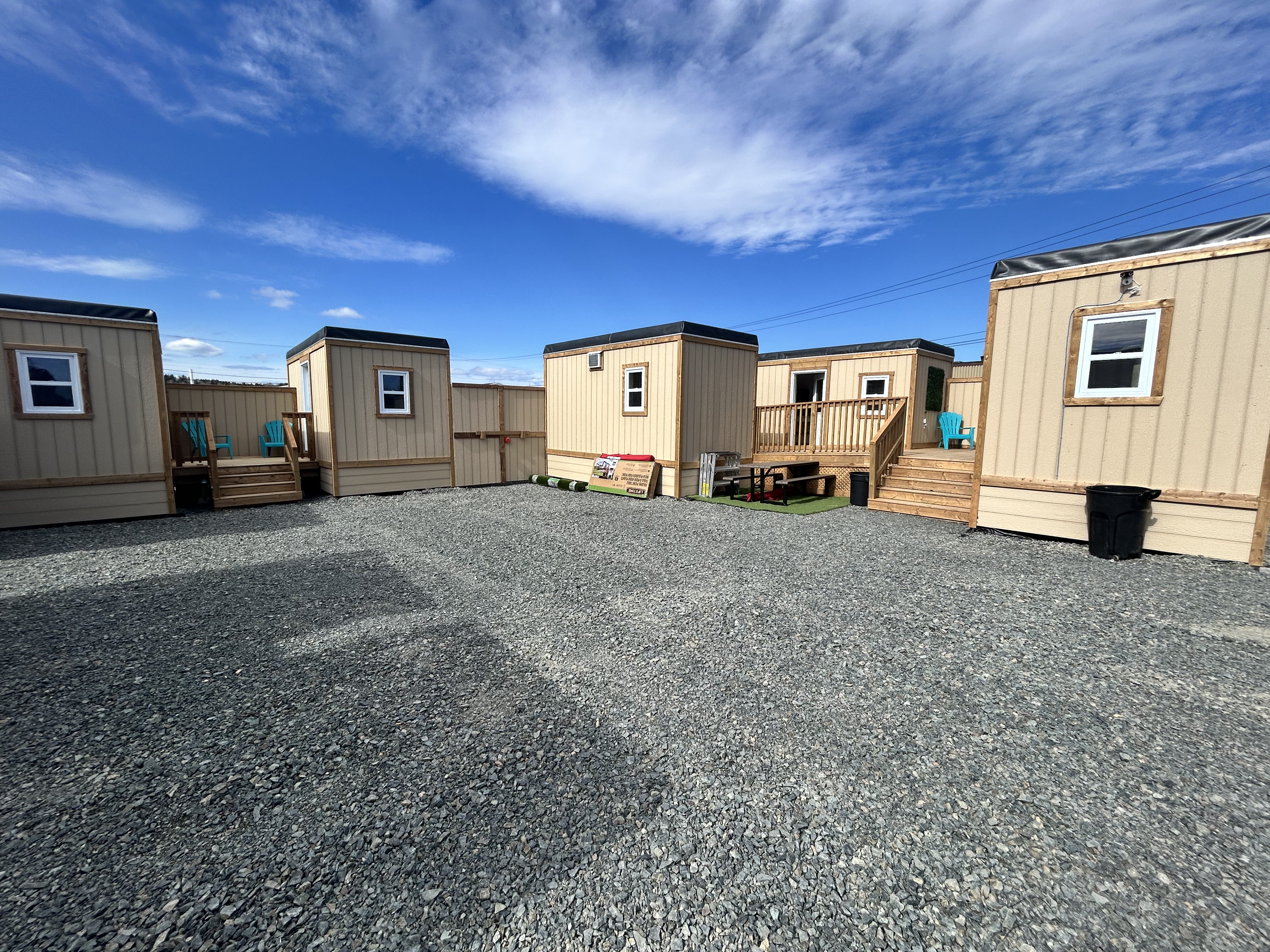
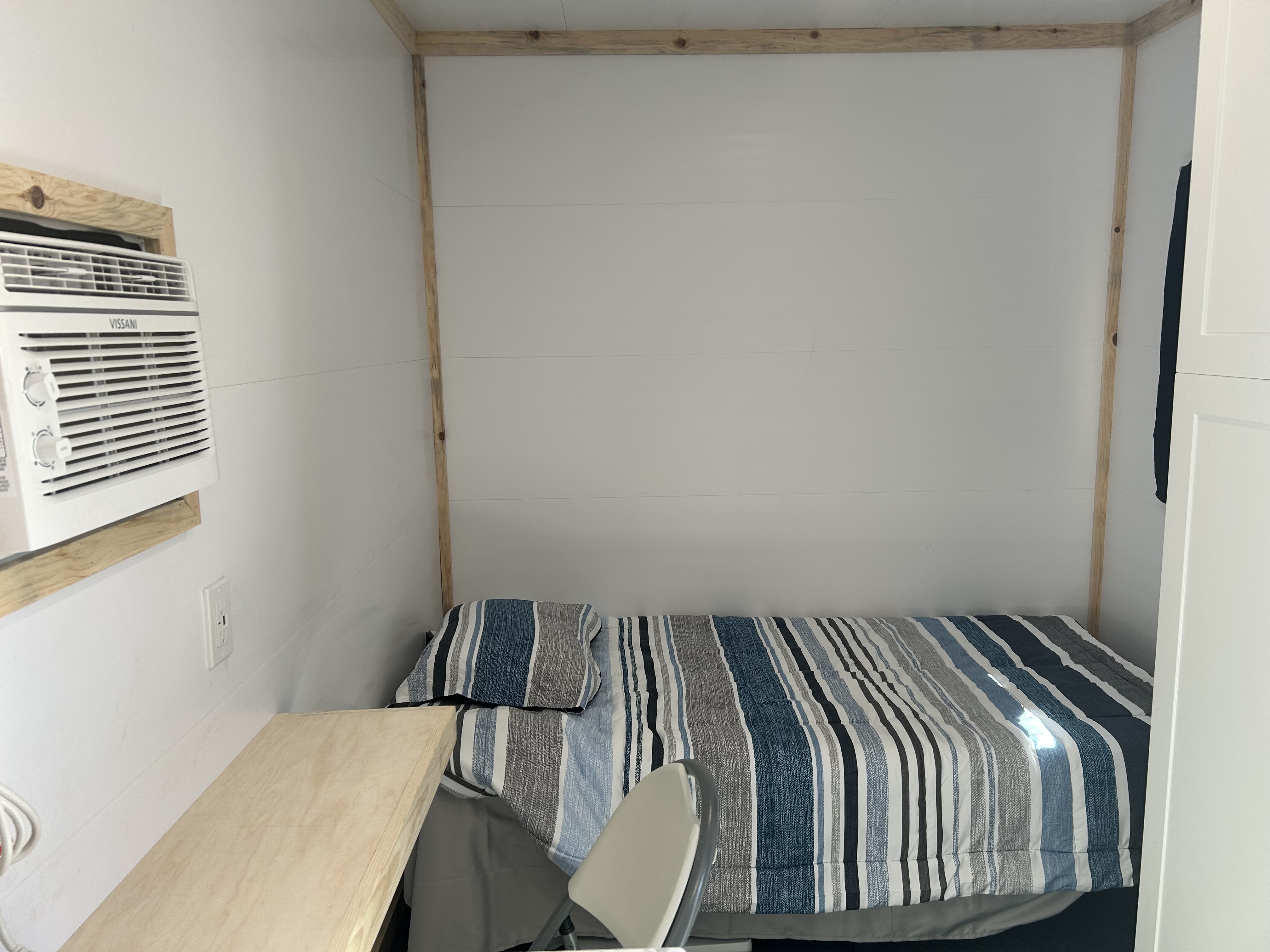
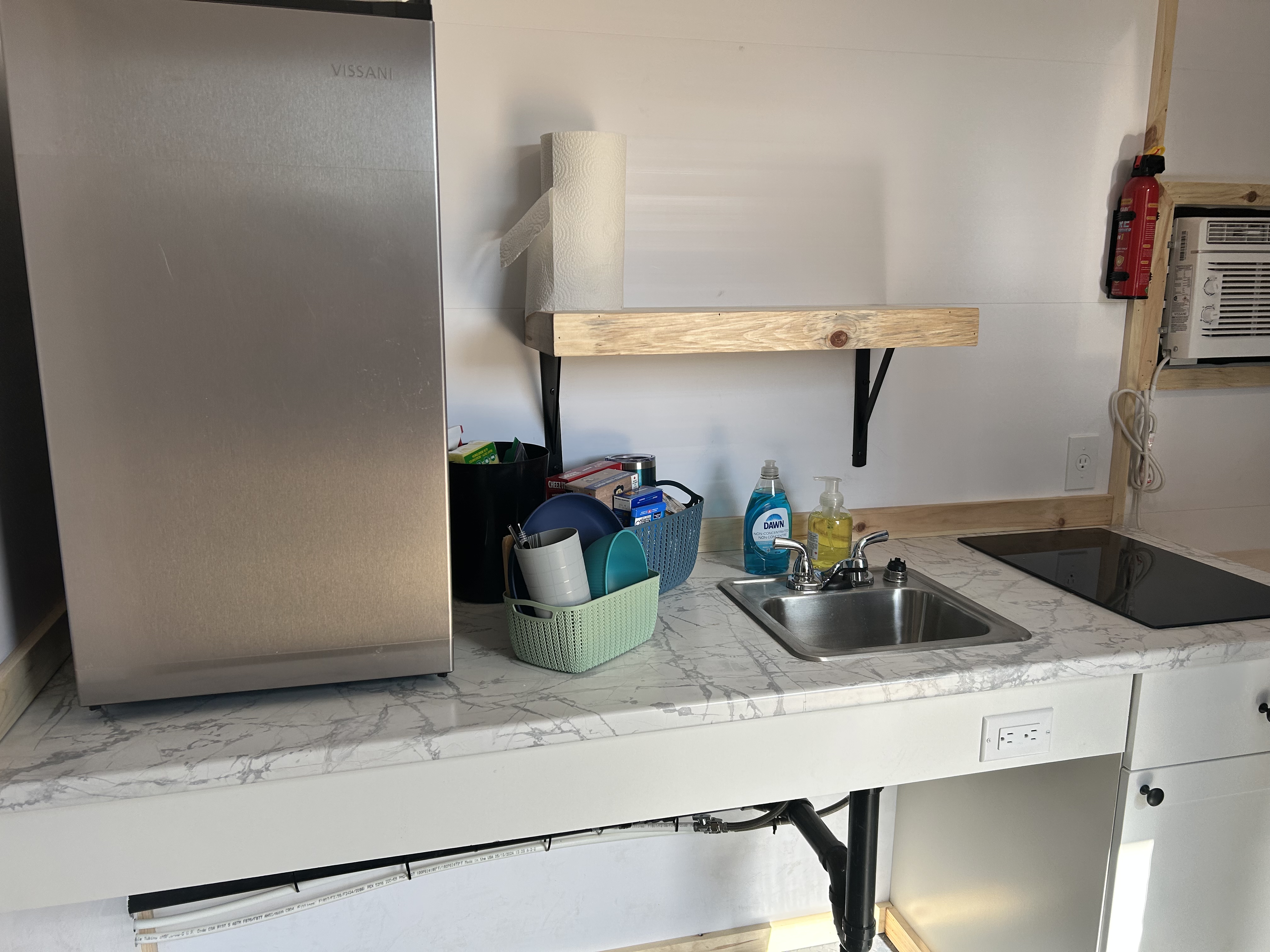
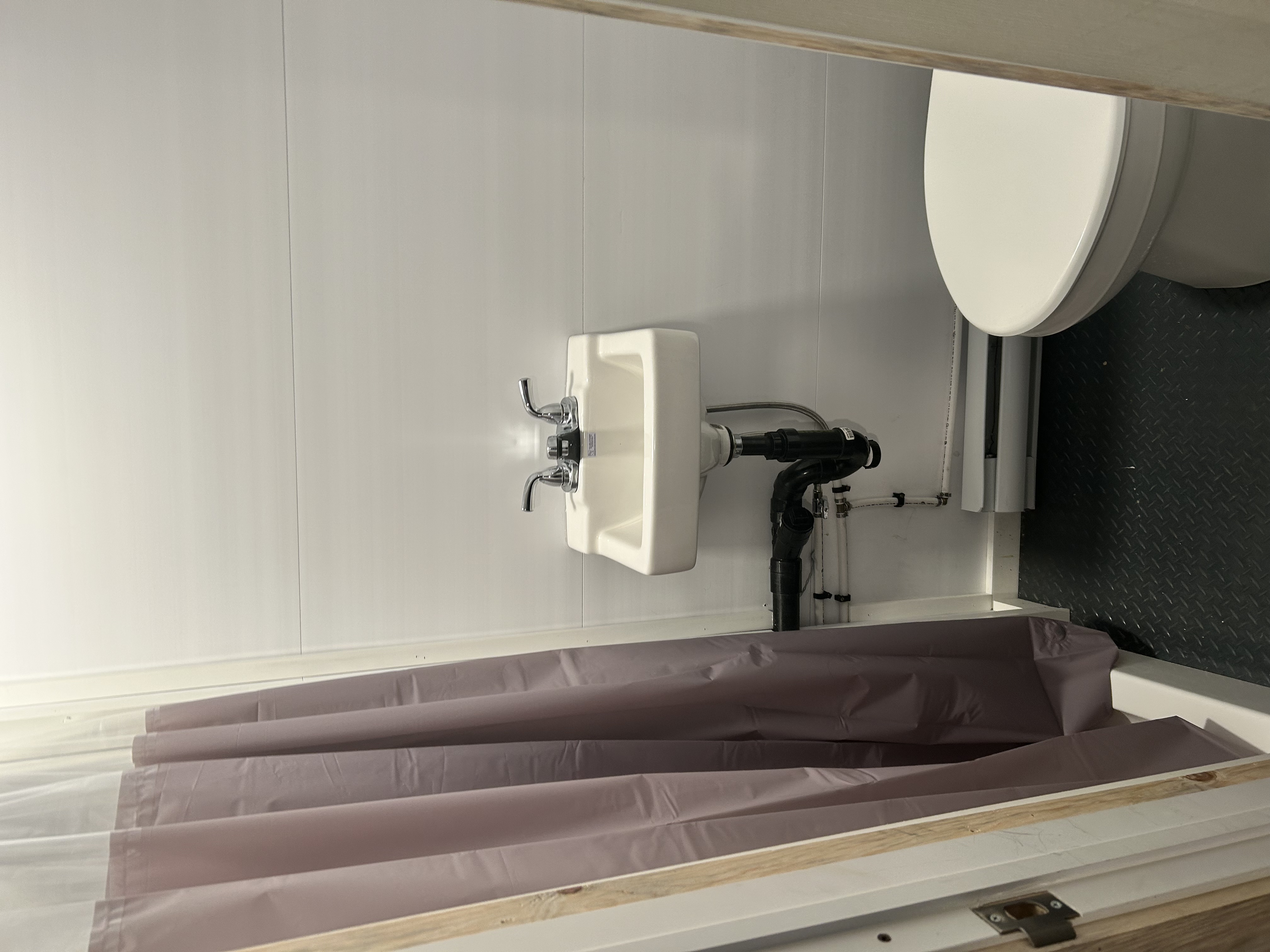
Bridge Housing is a form of supportive, transitional housing that offers more independence than a shelter and is designed to welcome a mix of residents. It provides a stable, private living environment for people who are not yet ready for fully independent housing but need more autonomy than traditional shelter settings.
Bridge Housing includes:
• Private living spaces with a kitchenette and bathroom
• On‑site, 24/7 staffing
• Support services tailored to individual needs
• A structured pathway toward permanent housing
What is the new Bridge Housing project?
The expanded Green Zone remains focused on Bridge Housing, which includes:
Where is the new Bridge Housing located?
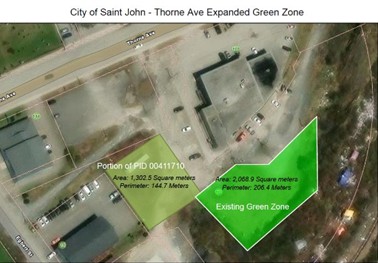 The Bridge Housing community is an expansion of the existing Green Zone at PID 00411710 on Thorne Avenue. The site has nearby services and transit access.
Will this operate like a shelter or encampment?
No. This is not a shelter and not an encampment.
Bridge Housing provides:
How will safety and neighbourhood impacts be managed?
Regular communication with neighbours is part of ongoing operations.
How long would this Bridge Housing Green Zone operate?
The Province is expected to operate the site for at least 3 years.
This timeframe provides stability while the Province and partners work on additional supportive and affordable housing solutions for our community.
Who pays for the Bridge Housing project?
Construction and site preparation are covered through existing federal Unsheltered Homelessness and Encampments Initiative (UHEI) funding delivered in partnership with the Province, that must be used by March 31, 2026.
Ongoing operations will be paid entirely by the Province as of April 1, 2026.
How does this fit with the City’s Housing for All Strategy?
The Bridge Housing project is a key component of the City’s Housing for All Strategy and builds on earlier actions that created a continuum of transitional and supportive housing options across Saint John.
Through this strategy, the City, working in partnership with the Province and frontline agencies, has advanced three major actions:
Together, these actions form a coordinated system that:
• Moves people from homelessness into supportive housing and ultimately toward permanent housing
• Reduces pressure on shelters and encampments
• Strengthens collaboration between the City, Province, and frontline agencies
• Supports the Red Zone Implementation Plan
Bridge Housing is not a standalone initiative. It is a deliberate next step in a continuum of care designed to meet people where they are and help them move forward.